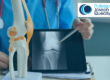
Did you know that even before you get to the operating table, there are factors that make a difference to your surgical outcomes? Some of these – such as your age – can’t be changed but others can be positively impacted by your lifestyle choices.
The importance of prehabilitation
Joseph Queally recommends patients scheduled for surgery take steps to optimise their health and fitness beforehand. We carry out a full assessment of a patient’s overall health and wellbeing prior to any type of joint replacement surgery and make a range of recommendations to support good outcomes. This is called prehabilitation and it can be very empowering for patients, particularly as many people are having to wait longer than normal for surgery right now due to the pandemic.
Rather than experiencing worsening symptoms and feeling powerless, prehabilitation means playing an active part in your own wellbeing and taking positive steps to improve your overall health and fitness. As well ensuring the best possible surgical outcomes, this can also help you to manage pain and feel physically and mentally better.

Here are our top tips to prehabilitate before orthopaedic surgery:
- Reduce excess weight: We all know the importance of maintaining a healthy body weight but if you have a condition like osteoarthritis, carrying extra pounds can increase the pressure on damaged joints and really exacerbate pain and loss of function. It is important if you are due to undergo joint replacement surgery to reduce any excess weight both to relieve pain on your damaged joint and to avoid putting too much pressure on your new artificial joint.
- Exercise: Although it can be hard to exercise if you are experiencing joint pain, it actually helps to keep the joints lubricated and flexible, reducing pain and stiffness. A physiotherapist can recommend an exercise regime to enable you to build strength and suppleness to support a faster recovery after surgery. Exercise also improves blood flow which reduces the risk of post-surgical infection. Walking is ideal and getting out in the fresh air can also support greater mental and emotional wellbeing. Swimming and yoga are also beneficial.
- Eat well: Eating a healthy balanced diet helps to support the goal of maintaining a healthy body weight but good nutrition can also assist with healing after surgery. Poor nutrition is linked to a greater chance of complications and a longer hospital stay. Ask your orthopaedic surgeon if you require support from a dietician to develop healthy eating habits.
- Take supplements: Although not essential if you are eating a diet rich in vitamins and minerals, some people choose to take supplements as part of their prehabilitation regime. Vitamin C and zinc is important for good immunity which can help the body to fight infection. Vitamin D can also be helpful as it helps to maintain healthy bones.
- Get support for anxiety and depression: According to an article published in The Journal of Pain in October 2020, patients with depression and anxiety are more likely to experience greater post-surgical pain. If you are experiencing chronic pain due to a degenerative disease like arthritis you may be particularly prone to low mood and depression so discuss this with your orthopaedic surgeon prior to your operation. Introducing activities to improve your psychological wellbeing – such as walking or swimming – may help.
- Quit smoking: If you smoke, giving up prior to surgery can reduce your risk of complications and help to optimise your body’s ability to heal. Your surgeon can recommend where to get help with quitting smoking if you need it.
- Get chronic conditions under control: If you have a chronic health condition like diabetes, it is important to get your blood sugar levels under control before your surgical procedure. Mention any pre-existing health conditions to your orthopaedic surgeon who will discuss the measures you can take.
It is important to talk to your surgeon about optimising your health before surgery and following the correct Covid procedures before and during your hospital stay. If you require specific prehabilitation advice or would like information about orthopaedic surgery, contact us and we will be happy to help.