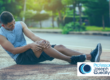
With temperatures set to rise in the UK and Ireland over the coming week, more people will be heading off on a bike ride. Cycling is a great way to enjoy the outdoors, and as a low impact form of exercise, it is ideal for giving your muscles and cardiovascular system a workout and building your fitness levels.
But, as all cyclists know, it’s not always possible to avoid injuries. In this blog we’ll explore some of the most common leg injuries among cyclists, common causes and what the treatment options are.
Causes of leg injuries in cyclists
If you are unlucky enough to fall off your bike, you may sustain a fracture or concussion so it’s important to get checked out by a medical professional. Road rash can occur if you skid along tarmac and you will need to clean the area thoroughly and use antiseptic cream to prevent infection.
More common than impact injuries are overuse injuries, which can be the result of doing too much too soon or pushing yourself when you are tired. As muscles start to tire, this can lead to postural changes which may then impact other parts of the body. For example, if the piriformis muscle, which connects the lower back to the upper surface of the thighbone, is too tight you may develop hip pain or pain in the lower leg. It is important to stretch your back and hips after cycling to relieve lower back pain. If you are hiring a bike, get advice about the correct size of bike and position of the handlebars, as having very low handlebars may increase pressure on your lower back.
If you are experiencing pain at the front of the knee, your saddle may be too low whereas pain behind the knee often occurs when the saddle is too high. If the pain is at the side of the knee, it might be the result of incorrect cleat set-up causing the knee to track incorrectly.
Common leg injuries among cyclists
1. Patellofemoral Pain Syndrome
This is a broad term that describes pain and stiffness around the patella or kneecap that can make it hard to climb stairs or kneel down. It may be the result of overuse or improper bike setup, however some people with patellar misalignment experience increased pressure between the back of the patella and the trochlear groove, leading to irritation of the soft tissues. With patellofemoral pain syndrome, you may experience a dull ache behind the kneecap, especially during or after rides. You may hear a popping or cracking sound in your knee when you stand up after a prolonged period of sitting. Treatment focuses on rest, physiotherapy, and correcting bike fit issues, such as saddle height and pedal alignment. Take anti-inflammatory medication for the pain. You may need to use orthotic shoe inserts to align and stabilise your foot and ankle and relieve stress on your lower leg. Surgery is rarely needed, however, in severe cases you may need a procedure called debridement which involves removing damaged articular cartilage from the surface of the patella, or lateral release to correct patellar misalignment.
2. Iliotibial Band (ITB) Syndrome
ITB syndrome causes an aching sensation or sharp pain on the outside of the knee and hip. It’s often due to tightness or irritation in the IT band, a tendon that runs along the outside of the thigh. When it becomes irritated, it can swell, leading to rubbing against the knee or hip. The condition is particularly common in cyclists, as well as runners. Contributory factors include pushing yourself too hard and fast, failing to stretch sufficiently before exercising and not having an effective cool-down routine. Stretching, strengthening glutes and hip muscles, and foam rolling can help alleviate symptoms. Treatment focuses on rest, and stretching and strengthening exercises to relieve knee and hip pain and lengthen the IT band. In some cases, you may be offered steroid injections to reduce inflammation in the IT band. Surgery for this condition is rare.
3. Hamstring Strains
The hamstring muscles run down the back of the thigh, starting at the bottom of the pelvis and ending at the lower leg. These muscles are used to bend and straighten the knee. Hamstring strains result from overstretching or overloading the muscles, due to stretching them beyond their capacity or challenging them with a sudden load. You may be particularly at risk if your hamstring muscles are tight or there is an imbalance, with one muscle group being stronger than the other. Symptoms include sudden pain, swelling, and bruising, with a persistent weakness in the hamstring. Treatment involves rest, ice, compression, elevation (RICE), and gentle stretching. In tendon avulsion injuries, where the tendon is pulled away from the bone, you may need surgery to reattach it.
4. Quadriceps Strains
The quads are a group of muscles at the front of the thigh. Strains occur when these muscles are overstretched or torn. You may sustain a grade 1 strain, which is relatively mild and does not affect muscle strength, a grade 2 strain which is more serious or a grade 3 strain which leads to intense pain and loss of muscle strength. The RICE protocol is effective for mild to moderate strains, while severe cases may require medical intervention.
5. Shin Splints
Shin splints refers to pain and tenderness along the shin bone – the large bone at the front of your lower leg. It is the result of repetitive strain on the shinbone and surrounding tissues. You may be particularly at risk if you suddenly increase the frequency or duration of exercise or if you don’t have sufficient strength training as part of your workout. Treatment includes rest, ice, anti-inflammatory medication and a gradual return to activity.
Preventing cycling leg injuries
To prevent cycling leg injuries, make sure you are using the correct size of bike and adjust the saddle height, handlebar position, and pedal alignment to suit your body. Avoid sudden increases in training intensity or duration. Instead, build up gradually, incorporating rest days to allow for recovery. Exercises that strengthen the glutes, hamstrings, quadriceps, and core muscles can help prevent overuse injuries, while regular stretching, especially of the IT band, hamstrings, and calves, can improve flexibility.
Always listen to your body and seek professional advice if you experience persistent pain. We can advise on diagnosing and treating all types of leg injuries – please contact us.